Soybean
pH 6.0 – 7.5What we watch
- Zinc and sulphur in lighter soils
- Poor nodulation where pH is low
- Waterlogging in heavy vertisols
A short-duration crop leaves little room to correct mid-season. Test before sowing.
Crop knowledge
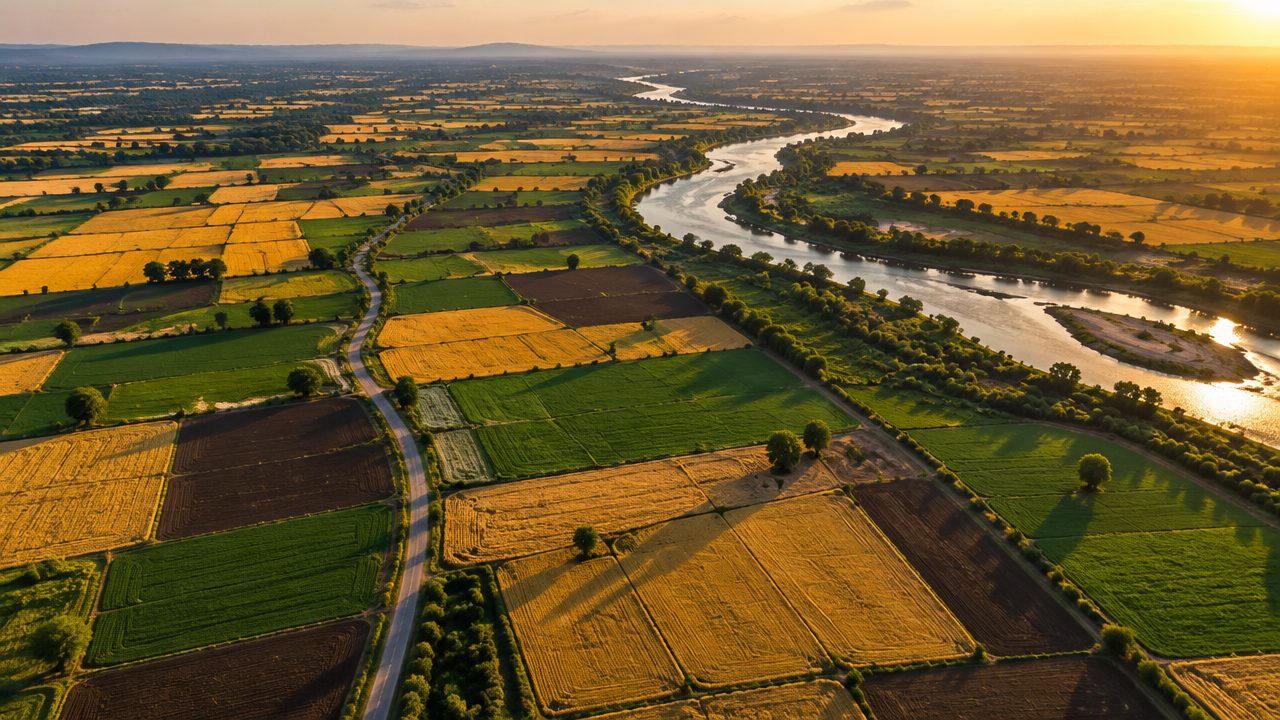
A pH of 7.8 is workable for cotton and limiting for onion. These guides show what we watch for in the main crops of Central India — the report itself is read against your field.
What we watch
A short-duration crop leaves little room to correct mid-season. Test before sowing.
What we watch
Long-duration cotton benefits most from a soil test, because correction can be split across the season.
What we watch
Late-sown wheat in low organic carbon fields responds strongly to corrected nutrition.
What we watch
A pulse fixes its own nitrogen — but only if the soil is not acidic, saline or short of sulphur.
What we watch
Zinc deficiency in maize is easy to confuse with a nitrogen shortage — the test separates them.
What we watch
High-value crops justify a full test every season; a single skipped correction can cost the crop.
What we watch
Tissue culture planting is only half the plan — the planting pit and its nutrition decide the bunch weight.
What we watch
Ratoon crops draw on the same soil for years; test between cycles rather than within them.
What we watch
Protected and repeatedly cropped beds build salts quickly. Test at least once between crops.
Reading a report
Which nutrients are actually short, so money is not spent on what the soil already holds.
A quantity based on your soil value and the crop's requirement — not on a shop's suggestion.
If pH or salinity is the real limit, correcting that comes before any fertilizer.
The ranges above are general guides for the crop, not a substitute for a test. Local soil type, irrigation source and the previous crop change the recommendation — which is exactly what the report is for.
Next step
Tell us your village, your crop and last season's yield. Our team will guide you on sample collection and what to test before your next sowing.