
 Core service
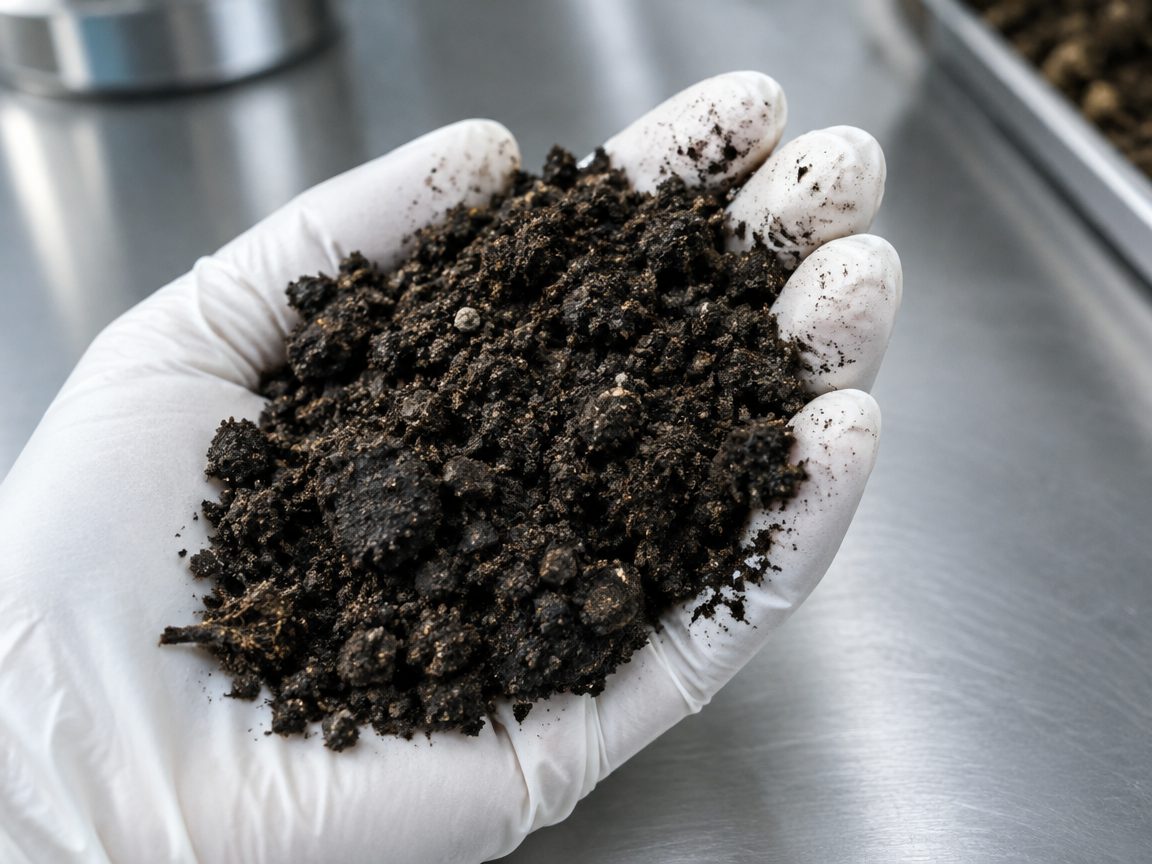
Soil testing & fertilizer plan
Reaction, salinity, organic carbon, macro and micronutrients — reported with a crop-wise fertilizer recommendation.
Explore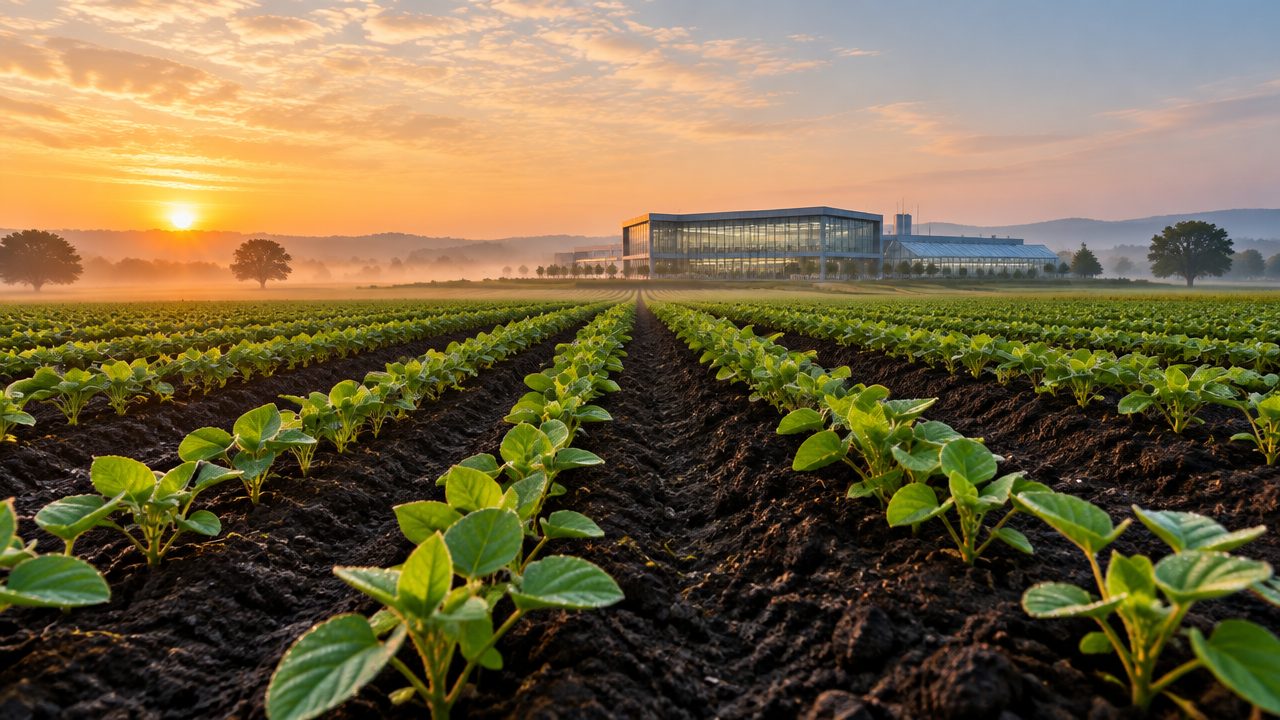
Barwaha, Madhya Pradesh · Serving Central India since 2012
Central India's dedicated soil diagnostics laboratory. We measure what your soil actually holds — then tell you exactly what to add, when, and how much.
At a glance
Why we exist
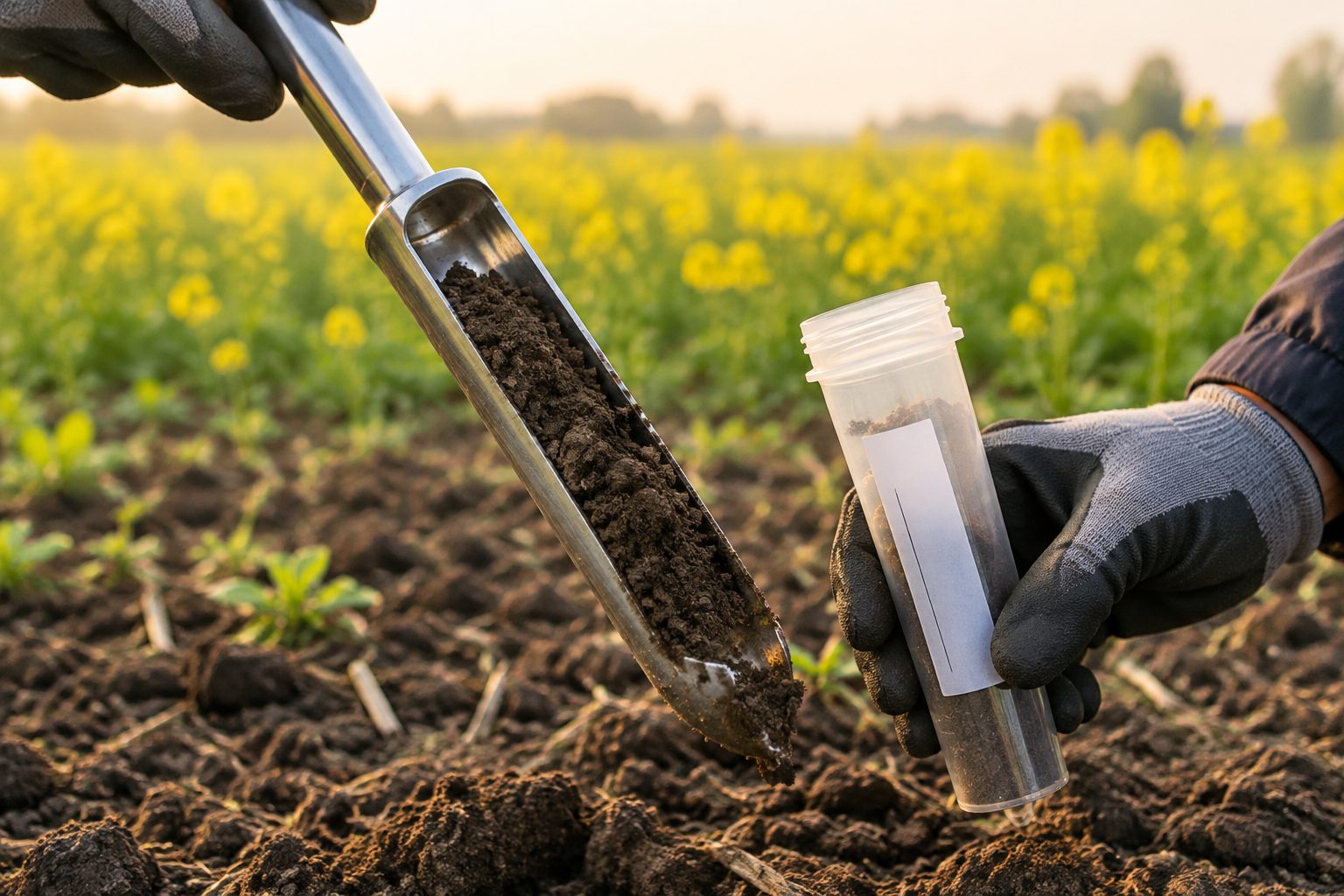
A farmer can pour fertilizer into a field for years without knowing what the field already holds. When pH is wrong or phosphorus is locked up, nutrients sit in the soil and the plant still starves. The first sign is a poor harvest; by then the money is spent.
A soil test replaces that guesswork with numbers. You learn what is short, what is surplus, and what is unavailable to the root — and you buy only the fertilizer you actually need.
We have done this for more than a decade across the black cotton belt of Central India, and we write the recommendation ourselves rather than handing over a raw printout.
The diagnostic matrix
A report you can read in one sitting: what your soil holds, what is short, and what it will cost to correct.
Whether roots can actually take up what is already in the soil.
The reserve that decides how long your fertilizer keeps working.
The three numbers every fertilizer bag is priced against.
Quiet deficiencies that cost yield before they show as symptoms.
Small quantities, decisive effect on flowering and grain filling.
What we do
Diagnostics, water quality and planting material under one roof — so the advice you get is based on measurements, not on habit.
Core serviceReaction, salinity, organic carbon, macro and micronutrients — reported with a crop-wise fertilizer recommendation.
Explore Water quality
Know whether your borewell water is building salts in the root zone before the season is lost.
Explore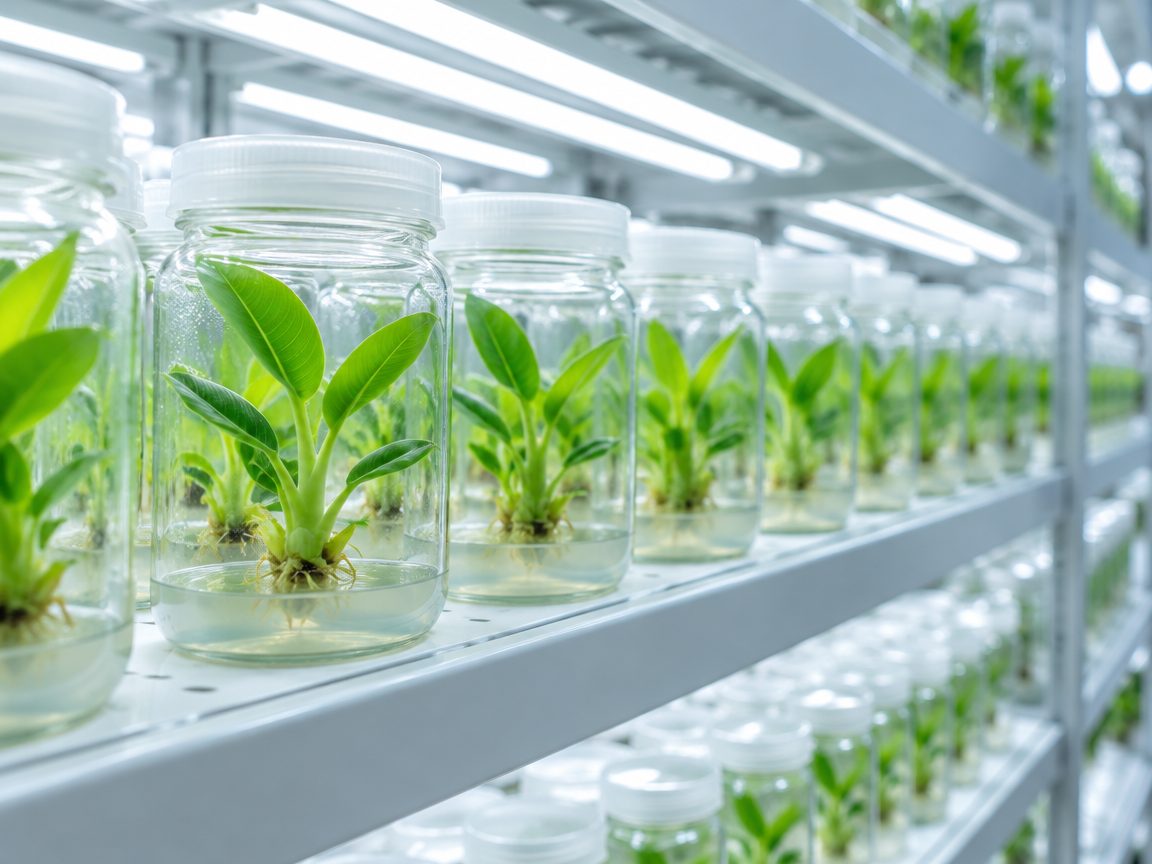 Nursery
Disease-free, uniform planting material produced in our sterile laboratory — 1.75 crore plants a year.
ExploreThe laboratory at a glance
Farmers, nurseries and agri-businesses
Continuous laboratory practice
Commercial production capacity
Season after season
From field to report
Where we work
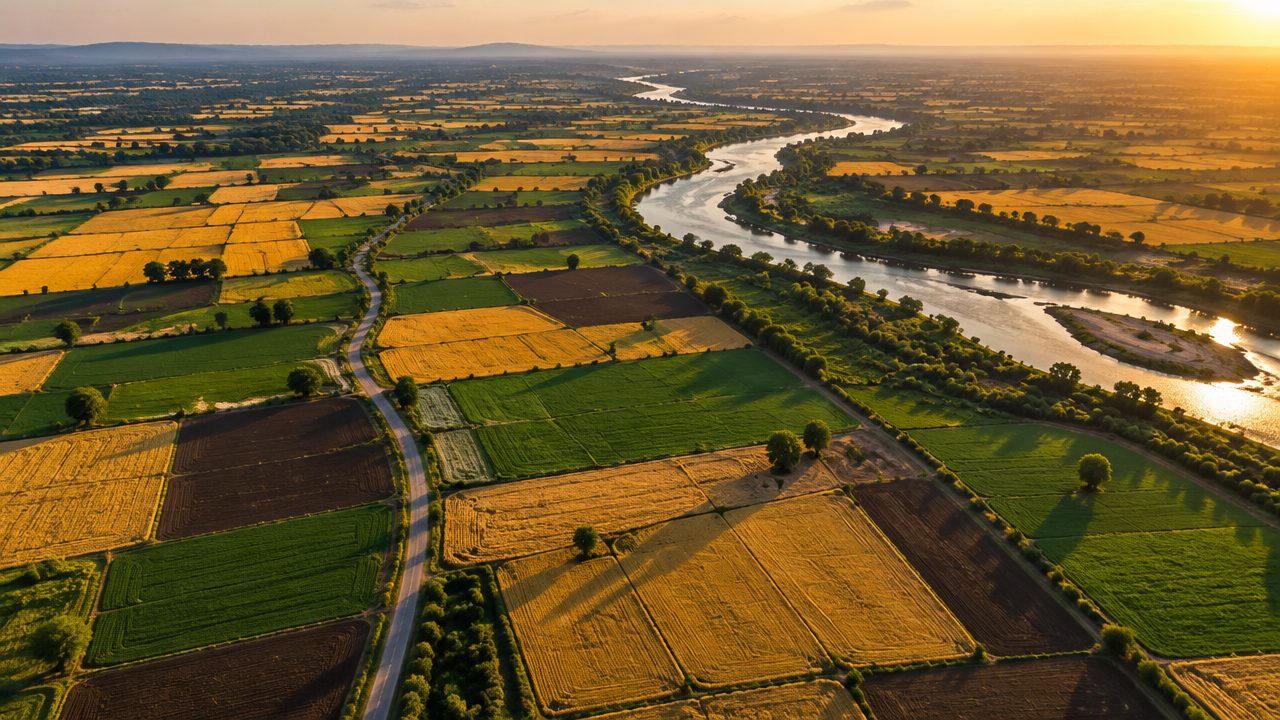
Deep vertisols, canal command areas and rain-fed uplands each fail in different ways. Our recommendations are written for the soil in front of you, not for a national average.
Samples reach us from across Madhya Pradesh, Maharashtra and Chhattisgarh — by hand at the laboratory, through village aggregators, or by courier.
Find the laboratoryNext step
Tell us your village, your crop and last season's yield. Our team will guide you on sample collection and what to test before your next sowing.